목차
- Understanding Welfare Programs: Overview and Significance
- Financial Support for Low-Income Families: A Closer Look
- Healthcare Services: Accessing Public Health Benefits
- Support for the Elderly: Policies and Initiatives
- Children and Youth Welfare: Protecting Future Generations
- Future Directions in Korean Welfare Policy: Trends and Challenges
Korea boasts a comprehensive range of welfare support services aimed at enhancing the quality of life for its citizens. This article will delve into specific welfare programs, their impacts, and the ongoing improvements in these services to meet the evolving needs of society.
Understanding Welfare Programs: Overview and Significance
Understanding Welfare Programs: Overview and Significance
Korea’s welfare support system consists of various core programs aimed at improving the quality of life for its citizens. The development of these programs has undergone significant transformations over the years, particularly in response to social and economic changes. Initially, welfare policies were minimal, focusing on emergency support. However, as the nation developed, there has been a shift towards more structured and comprehensive services that ensure greater social security and support for vulnerable populations.
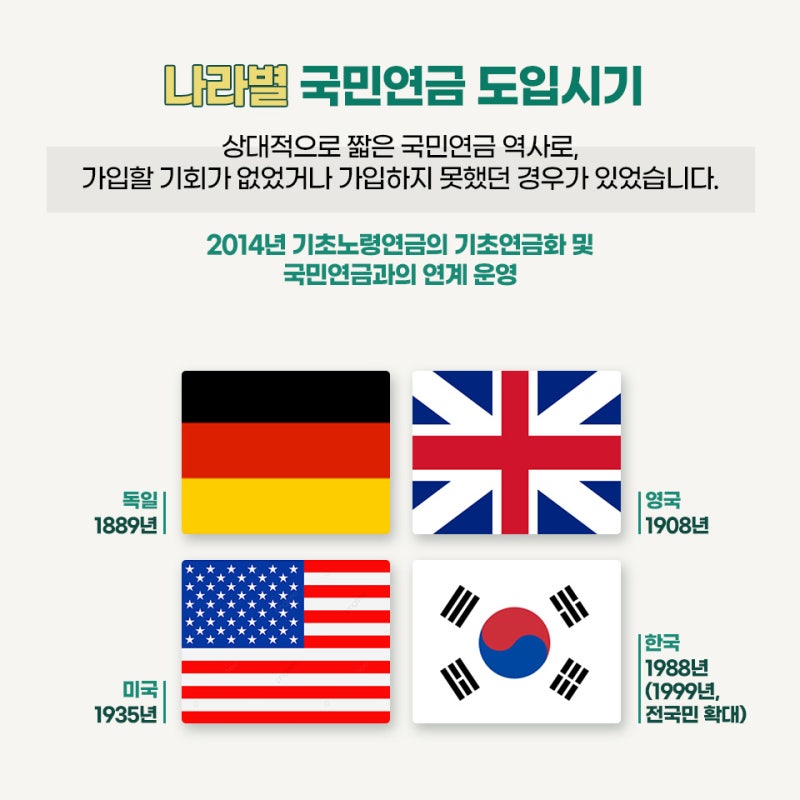
Among the key welfare programs in Korea are the National Pension, Health Insurance, Child Allowances, and Housing Support. The National Pension scheme aims to provide financial security for the elderly, while the Health Insurance system ensures access to healthcare for all residents. Child Allowances are designed to alleviate the costs of raising children, promoting family welfare and encouraging higher birth rates. Furthermore, Housing Support offers assistance to low-income families, making housing more affordable and accessible.
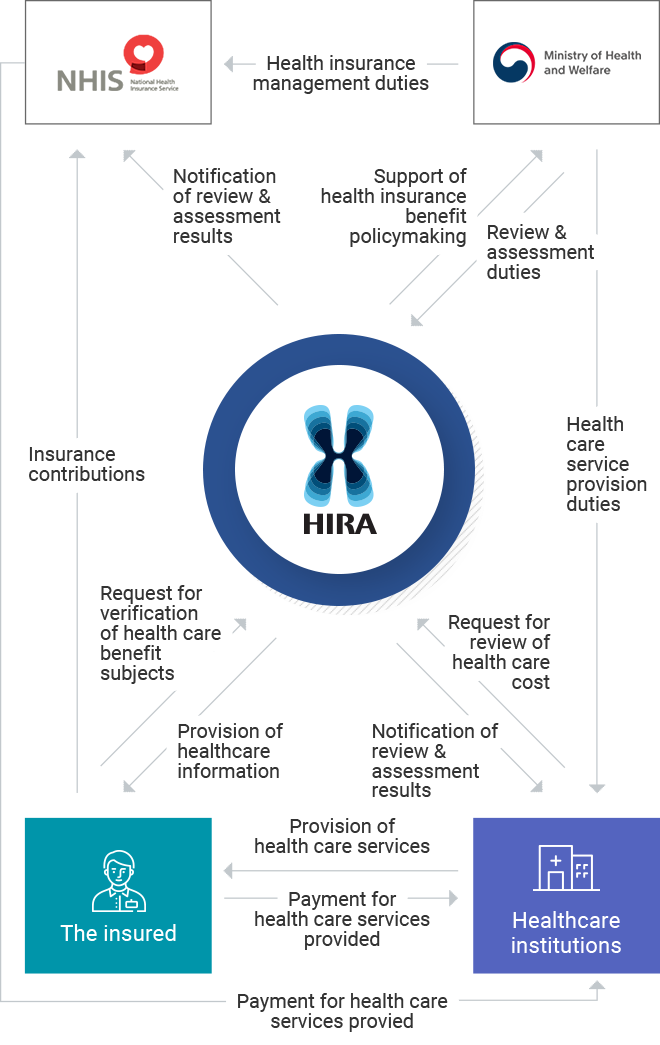
The government’s role in implementing these programs is crucial. It not only establishes policies but also oversees their execution and evaluates their effectiveness. Through agencies like the Ministry of Health and Welfare, the government works to ensure that these programs reach those in need and adapt to the changing socio-economic landscape. Continuous assessments help refine these programs, ensuring they remain relevant and effective in addressing the needs of the population.
Significantly, these welfare policies contribute to enhancing social equality and mitigating poverty, fostering a more inclusive society. They also play a vital role in building public trust in the system, as citizens see the tangible benefits of these policies in their daily lives.
Financial Support for Low-Income Families: A Closer Look
재정 지원은 저소득 가정이 생계에서 겪는 어려움을 완화하는 중요한 정책 중 하나입니다. 한국에서는 다양한 재정 지원 프로그램이 마련되어 있어, 저소득 가정이 필요시 도움을 받을 수 있습니다. 이들 프로그램은 크게 기초생활보장제도, 차상위계층 지원, 아동수당 등으로 나눌 수 있습니다.
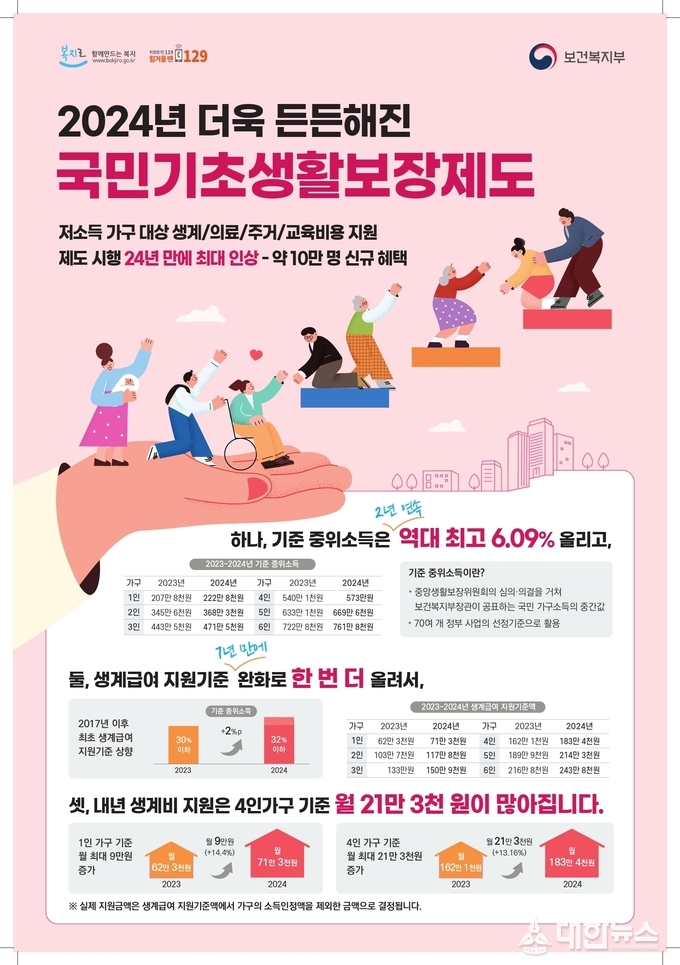
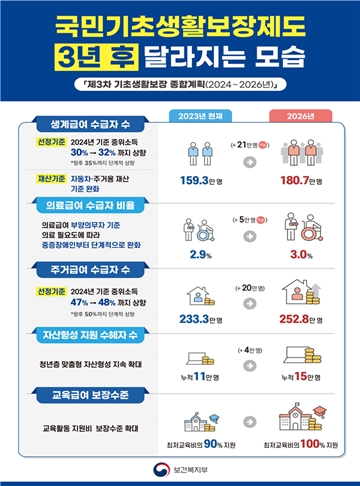
기초생활보장제도는 소득이 최저 생계비 이하인 가정에 대해 지원됩니다. 이를 통해 생계비, 주거비, 의료비 등을 지원받을 수 있으며, 2023년 기준 가구원의 소득 수준에 따라 지원 금액이 다르게 책정됩니다. 차상위계층 지원은 기초생활보장제도의 기준에는 미치지 않지만, 여전히 경제적으로 어려운 가정에게 추가적인 지원을 제공합니다. 이와 더불어 아동수당은 저소득 가정의 자녀를 지원하는 대표적인 프로그램으로, 만 7세 이하 아동에 대해 매달 일정 금액을 지급합니다.
이러한 프로그램에 신청하기 위해서는 거주지 관할의 주민센터에 방문하여 필요한 서류를 제출해야 합니다. 신청 후 보통 1-2주 내에 지급 여부가 결정되며, 주기적으로 소득 및 재산 조사가 이루어져 자격 유지 여부가 확인됩니다.
재정 지원의 실제 효과는 저소득 가정의 생활 안정에 큰 영향을 미치고 있습니다. 이러한 지원이 시행된 이후, 많은 가정이 기본적인 생활을 유지할 수 있게 되었으며, 자녀의 교육비 부담을 덜어주고 있습니다. 표를 통해 저소득 가구의 재정 지원 내용을 비교해 볼 수 있습니다.
이러한 지원은 저소득 가정이 사회에 통합되고, 자립할 수 있는 기반을 마련해 줍니다. 다음 장에서는 한국 정부가 제공하는 건강 관리 서비스에 대한 내용을 다루어, 시민들이 어떻게 이러한 서비스를 이용할 수 있는지 살펴보겠습니다.
Healthcare Services: Accessing Public Health Benefits
대한민국의 건강보험 제도는 모든 시민이 공평하게 접근할 수 있는 공공 건강 복지의 중요한 일환으로 자리 잡고 있습니다. 한국의 건강보험은 모든 국민이 가입해야 하는 의무 보험 체계로 운영되며, 의료 서비스를 이용할 때 국민들은 저렴한 비용으로 필요한 치료를 받을 수 있습니다.
한국의 건강보험 시스템은 국민 건강보험공단을 통해 관리됩니다. 이 기관은 보험료 징수, 의료비 지급, 건강 관리 프로그램 시행 등 다양한 역할을 수행합니다. 국민들은 정기적인 건강검진과 예방 접종, 그리고 기본적인 의료 서비스에 접근할 수 있습니다. 이와 같은 공공 건강 혜택 덕분에 전반적인 국민 건강 지표가 개선되었습니다.
한국의 의료 서비스 접근성은 비교적 높은 편이며, 대부분의 시민이 가까운 병원이나 clinics에서 의료 서비스를 받을 수 있습니다. 의료 비용 또한 정부의 지원으로 인해 전반적으로 낮게 유지되고 있으며, 필요한 경우 추가적인 재정 지원을 받을 수 있는 제도도 마련되어 있습니다.
다음 표를 통해 한국의 의료 서비스와 관련된 혜택을 쉽게 비교해볼 수 있습니다.
한국 정부의 이러한 의료 서비스는 국민의 전반적인 건강 증진뿐만 아니라, 예방과 조기 치료를 통해 병의 발전을 저지하는 데 중요한 역할을 하고 있습니다. 필요할 때 실질적인 의료 혜택을 쉽게 이용할 수 있다는 것은 국민의 삶의 질을 높이는 데 큰 기여를 하고 있습니다.
Support for the Elderly: Policies and Initiatives
Korea is experiencing a significant demographic transition, with the percentage of the elderly population rapidly increasing. As a response, the government has implemented a variety of welfare policies and initiatives aimed at supporting this demographic, ensuring their well-being and quality of life.
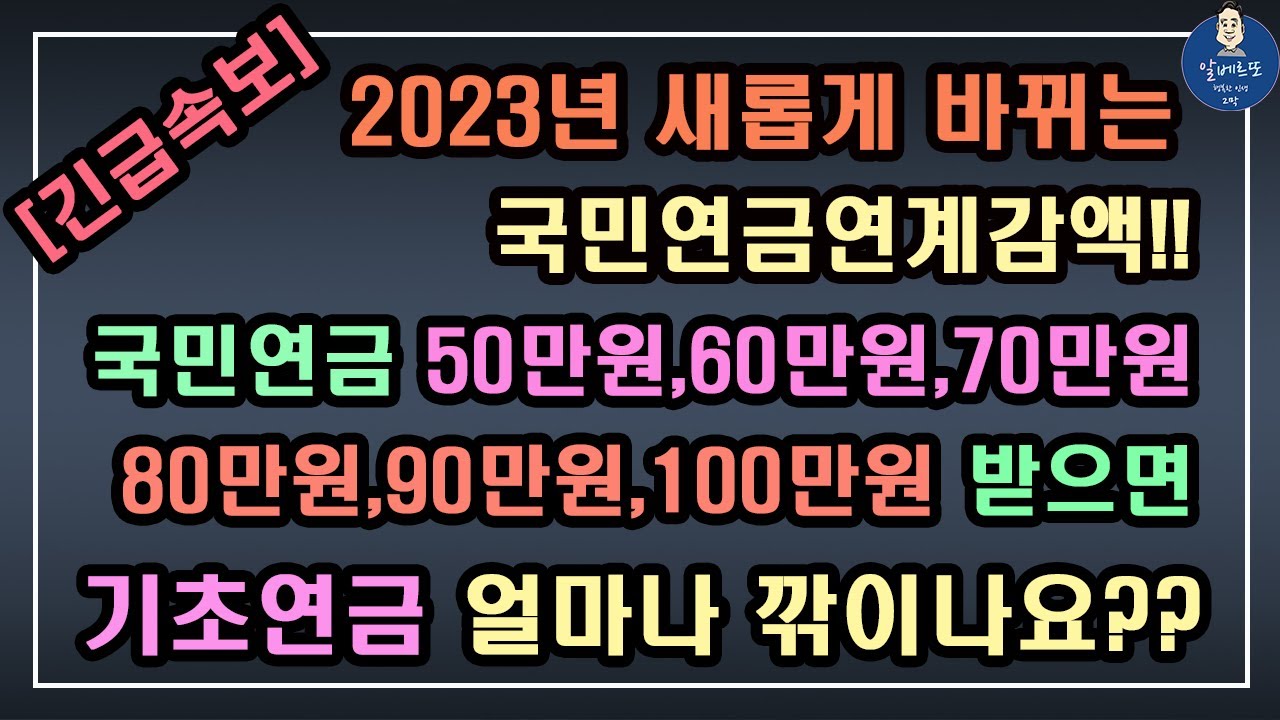
One of the key components of support for the elderly in Korea is the National Pension Scheme, which provides a stable income for seniors who have contributed during their working years. This pension is crucial for many elderly individuals who rely solely on it for financial security. In 2023, the government announced the expansion of the pension system, aiming to increase the monthly benefits gradually.
Healthcare services for the elderly have also seen improvements, with comprehensive coverage under the National Health Insurance System. This system ensures that seniors receive necessary medical treatments without excessive financial burdens. In addition, preventive health services, such as regular health check-ups, are emphasized to promote healthier lifestyles among the aged population.
Community support plays a vital role in enhancing the lives of the elderly. Various programs are designed to foster social engagement and combat loneliness among seniors. Local governments often organize community centers offering various activities, from fitness classes to arts and crafts, thereby creating a supportive environment that encourages interaction.
Moreover, the “3rd Comprehensive Support Plan for Senior Employment and Social Activity” was introduced, aiming to provide opportunities for seniors to participate in the workforce or volunteerism, allowing them to remain active and engaged in society. This initiative not only supports the elderly financially but also enhances their sense of purpose.
In summary, Korea’s approach to elderly welfare encompasses a multifaceted strategy that integrates financial security, healthcare access, and community support. These initiatives reflect the government’s commitment to addressing the unique challenges faced by the aging population, promoting their independence and active participation in society.
Children and Youth Welfare: Protecting Future Generations
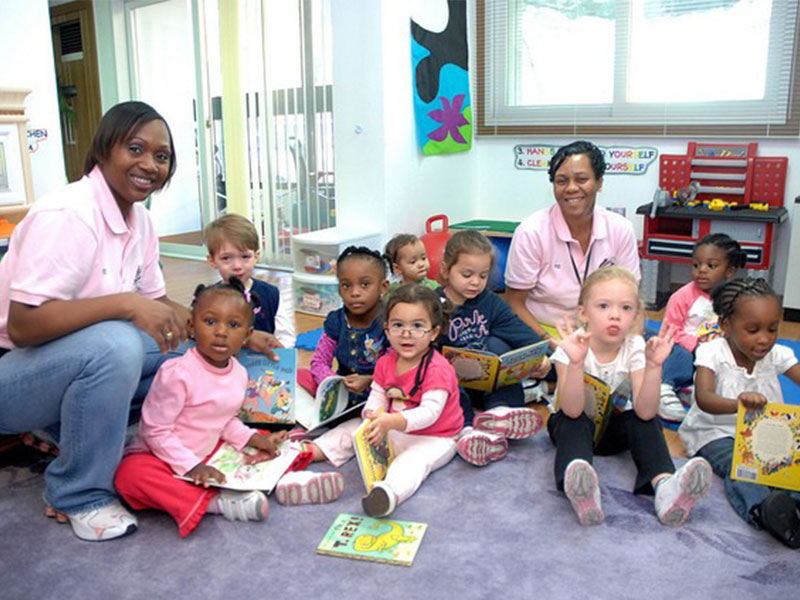
In Korea, welfare programs aimed at children and youth are vital for ensuring the healthy development of future generations. These initiatives cover a broad spectrum, focusing on educational support, childcare services, and overall youth development.
One of the critical components of Korea’s welfare support for children is educational assistance. This includes scholarships, free meal programs in schools, and tutoring services designed to alleviate the financial burdens on families while promoting equal educational opportunities for all children. Programs facilitated by both government and non-governmental organizations, like ChildFund Korea, emphasize children’s rights, ensuring their survival, protection, development, and participation in society.
Childcare services also play a significant role in Korea’s welfare strategy. Facilities such as after-school care programs provide safe environments for children, offering a wide variety of activities that promote both learning and social interaction. Services aim to ease the parental workload and allow parents to balance their professional and personal responsibilities more effectively. Moreover, community-based programs are designed to foster engagement and provide local networks of support for caregivers.
Additionally, many initiatives focus on youth development, providing extracurricular activities that enhance life skills, leadership capabilities, and emotional well-being. These programs encourage participation in sports, arts, and community service, contributing to a well-rounded upbringing.
The following table illustrates key welfare services available for children and youth in Korea:
Furthermore, investing in these services not only supports the immediate needs of children and youth but also lays the foundation for a stronger society in the long run. As we reflect on the welfare landscape in Korea, the commitment to nurturing the younger generation remains a cornerstone of the country’s future policy directions.

Future Directions in Korean Welfare Policy: Trends and Challenges
Korea’s welfare policies are at a significant crossroads, prompting discussions on the future challenges that lie ahead. One of the primary concerns is the profound demographic changes the country faces. With a rapidly aging population and declining birth rates, the demand for social services and support programs is expected to grow substantially. This not only puts pressure on the existing welfare infrastructure but also necessitates innovative approaches to meet the evolving needs of society.
Technological advancements further complicate the landscape. The proliferation of digital technologies offers promising tools for enhancing service delivery, yet it also presents challenges such as digital divides and potential job displacements. Policymakers must create frameworks that harness technology for improved access and efficiency while ensuring that vulnerable populations are not left behind.
Moreover, there is a critical need for continuous policy innovation. As societal challenges become more complex, the traditional welfare models may fall short in addressing the nuanced needs of citizens. This calls for a forward-thinking approach that incorporates feedback mechanisms, engages with community stakeholders, and prioritizes holistic welfare solutions.
To summarize, future directions in Korean welfare policy must address the interconnected challenges of demographic shifts, technological evolution, and the necessity for innovative policymaking. Ensuring the sustainability and relevance of welfare programs will require adaptability and a commitment to proactive solutions that prioritize the well-being of all citizens.
In summary, Korea’s welfare support policies play a crucial role in shaping the lives of its citizens by providing necessary services across various sectors. As society evolves, so too must these policies, requiring ongoing adaptation and innovation to meet new challenges.
Korean Ministry of Health & Welfare
Social welfare policies in Korea: Overview
Analysis of Social Welfare Initiatives in Korea
Korean welfare,social services,financial assistance,healthcare policy,elderly support,youth programs,community services,

(0).jpg)