목차
- Korea’s Basic Living Security System: Safeguarding the Vulnerable
- Healthcare Benefits in South Korea: Accessibility and Coverage
- Educational Support Programs: Empowering the Next Generation
- Mental Health Support Services: Addressing Psychological Needs
- Pensions and Retirement Plans: Securing Financial Futures
- Community-Based Support Initiatives: Strengthening Social Ties
This article provides an in-depth look at the various welfare services and support policies available in South Korea. We will explore specific programs, their impact on society, and how they assist individuals and families in need.
Korea’s Basic Living Security System: Safeguarding the Vulnerable
국민기초생활보장제도는 저소득 가구의 최소한의 생활을 보장하기 위해 설계된 제도로, 1997년 경제위기 이후 도입되었습니다. 이 제도는 경제적으로 어려운 가구가 기본적인 생활을 유지할 수 있도록 지원하는 중요한 사회안전망 역할을 합니다. 현재 약 188만 명이 이 제도의 혜택을 받고 있으며, 이는 전체 인구의 약 3.6%에 해당합니다.
기본생활보장제도는 다양한 지원을 제공합니다. 주거비, 생계비, 의료비, 그리고 자녀 양육비 등을 포함하여 저소득층이 보다 나은 생활을 할 수 있도록 돕습니다. 특히, 생계비 지원은 가구의 소득 수준에 따라 차등 지급되며, 의료비 지원은 특정 질병을 앓고 있는 가구에 주어지는 경우가 많습니다.
제도의 운영 방식은 각 지방자치단체를 통해 이루어지며, 수급자는 소득과 자산 조사를 통해 자격을 평가받습니다. 이러한 절차를 통해 공정하게 지원이 이루어지도록 하고 있습니다. 실제로 이 제도를 통해 많은 저소득 가구가 경제적 어려움을 덜 수 있었으며, 생활의 질 향상에 기여하고 있습니다.
다음 표를 통해 기초생활보장제도의 주요 지원 항목을 쉽게 살펴보겠습니다.
국민기초생활보장제도는 이러한 다양한 지원을 통해 저소득 가구의 삶의 질을 높이는 데 중요한 역할을 하고 있습니다. 앞으로도 이 제도가 더욱 효과적으로 운영되기를 기대합니다.
Healthcare Benefits in South Korea: Accessibility and Coverage
South Korea’s National Health Insurance (NHI) system stands as a cornerstone of the country’s healthcare benefits, ensuring accessibility and coverage for its citizens. Since its establishment in 1977, the NHI has evolved into a comprehensive social security system aimed at providing universal health coverage. This system operates on the principle of shared risk, wherein contributions from citizens fund necessary medical services.
One of the pivotal aims of the NHI is to minimize the financial burden on patients. However, despite extensive coverage, challenges remain. Many citizens experience high out-of-pocket expenses due to gaps in coverage and certain services being excluded. Recent government initiatives have focused on expanding this coverage, particularly for chronic illnesses and preventive care, thus working towards alleviating these financial pressures.
Access to healthcare services is systematically ensured through various strategies. For instance, the NHIS collects contributions based on income levels, enabling the government to subsidize healthcare costs more effectively for lower-income families. This progressive funding model enhances equity within the healthcare system, allowing all citizens, regardless of financial status, to receive medical attention when needed.
Furthermore, the NHI has implemented measures to improve healthcare infrastructure, especially in rural areas, by promoting mobile health clinics and telemedicine. These efforts significantly reduce barriers to accessing care, ensuring that even the most disadvantaged groups can receive medical services.
The implications for citizens’ health and well-being are profound; an accessible healthcare system not only improves individual health outcomes but also contributes to public health stability and overall quality of life. For South Koreans, having a robust healthcare framework means that serious health issues do not have to translate into financial crises.
In the larger context of South Korea’s welfare services, the NHI’s commitment to accessibility reflects an ongoing evolution of social policies aimed at enhancing citizens’ health outcomes and life quality. As we look ahead, the focus will likely remain on closing the existing gaps in coverage, further integrating technology in healthcare delivery, and ensuring that health equality becomes a reality for all South Koreans.
Educational Support Programs: Empowering the Next Generation
In South Korea, various educational support programs are tailored to assist underprivileged children, aiming to bridge the gap in educational inequalities that exist due to socioeconomic factors. These initiatives not only target academic assistance but also create a nurturing environment that encourages personal growth and development.
A pivotal program is the “After-School Program,” which provides additional educational resources and supervision to students from lower-income families. These programs typically offer tutoring in core subjects, such as mathematics and science, as well as arts and physical education. By extending learning opportunities beyond regular school hours, they help reinforce knowledge and foster a love for learning.
Additionally, the government has instituted scholarship programs to alleviate the financial burden on families. These scholarships are aimed at talented students who may not have access to resources for extracurricular activities or higher education. They cover a range of expenses from tuition fees to school supplies, ensuring that financial limitations do not hinder a child’s academic journey.
Furthermore, the “Community Child Center” initiative plays a significant role in providing holistic support. These centers offer after-school programs combined with psychological counseling and parental support, recognizing that education is not just confined to academics but is also influenced by a child’s emotional and social environment. By addressing these interrelated aspects, the centers empower children to thrive both in school and in their personal lives.
The comprehensive nature of these educational support programs contributes significantly to reducing inequalities. They provide underprivileged children with the tools necessary for future success. By ensuring all children have access to quality education, these initiatives help pave the way for more equitable opportunities in adulthood.
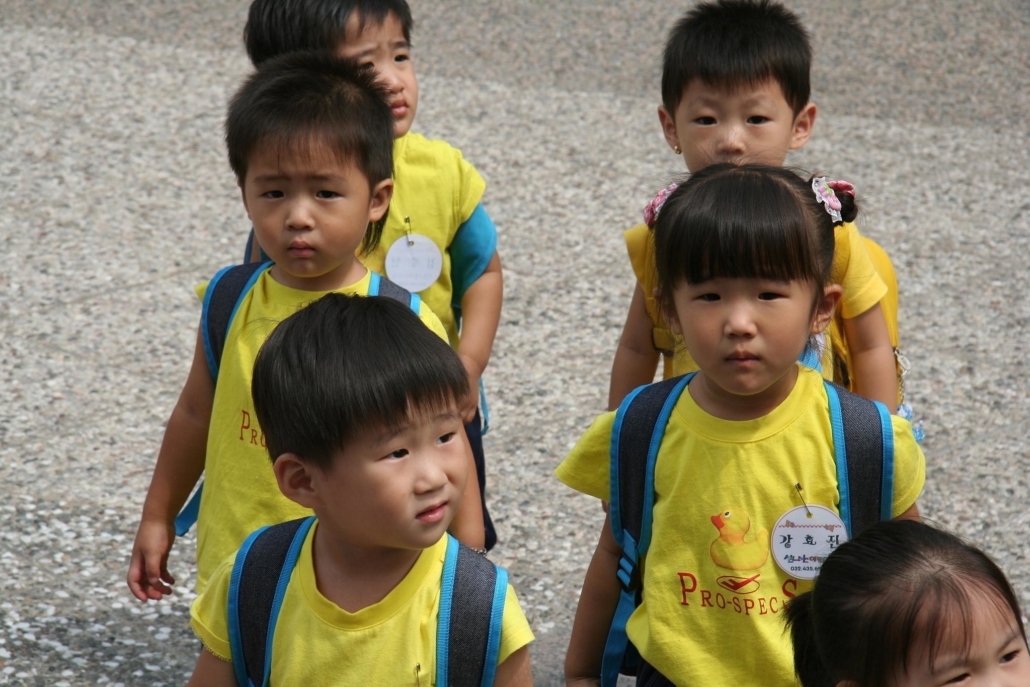
Through these efforts, South Korea’s commitment to educational equity reflects the understanding that empowering the next generation can lead to a more prosperous and balanced society, ultimately benefiting the entire nation.
Mental Health Support Services: Addressing Psychological Needs
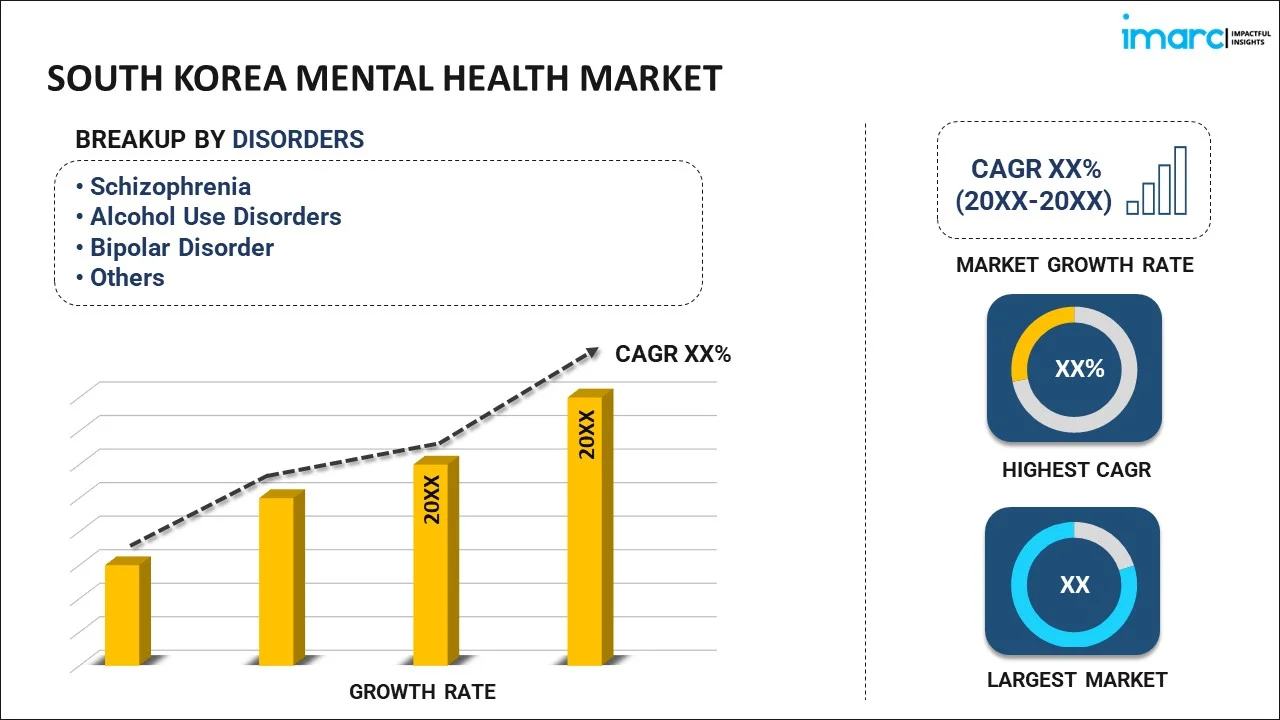
Mental health support services in South Korea have undergone significant enhancements, particularly in response to the growing recognition of mental well-being as a critical aspect of health. The government has been proactive in implementing various initiatives aimed at addressing psychological needs.
The South Korean government has established several programs and policies designed to deliver mental health services effectively. Notably, the Mental Health Act provides a framework for improving mental health care, focusing on prevention, treatment, and rehabilitation. Community-based mental health centers have been set up across the country to provide accessible resources and support, catering to individuals struggling with mental health issues.
These centers offer a range of services, including counseling, psychotherapy, and crisis intervention. The emphasis on community support is vital, as it encourages individuals to seek help without the stigma often associated with mental health issues. In addition, the government has launched campaigns to promote mental health awareness and reduce stigma, making it easier for individuals to access the support they need.
One striking aspect of South Korea’s mental health landscape is the integration of technology into these services. Various mobile applications and online platforms facilitate mental health assessments, therapy sessions, and peer support, allowing users to connect with mental health professionals conveniently. This digital approach is especially relevant for younger generations, who are more comfortable utilizing technology in their daily lives.
Beyond government initiatives, numerous non-profit organizations play a crucial role in providing mental health support. These organizations often focus on specific populations, such as children and adolescents, the elderly, and marginalized communities. By addressing the unique challenges faced by these groups, they complement governmental efforts.
The increasing awareness of mental health issues, alongside the expanding availability of services, indicates a promising shift towards improved mental well-being in South Korea. As these support systems become more robust and integrated, it is essential for individuals to recognize the importance of mental health and actively engage with the resources available to them.
Pensions and Retirement Plans: Securing Financial Futures
한국의 연금 제도는 시대의 변화와 함께 발전해 왔습니다. 초기에는 국민연금 제도가 1988년에 도입되었고, 이 제도는 18세 이상 모든 국민이 의무적으로 가입해야 하는 구조로 되어 있습니다. 국민연금은 가입자의 소득에 따라 계산된 보험료를 기반으로 하며, 은퇴 후 지급되는 연금액은 가입 기간과 납부 금액에 비례하여 결정됩니다.
현재 한국의 연금 제도는 기본적으로 국민연금, 퇴직연금, 개인연금으로 구성되어 있습니다. 국민연금은 국가에서 운영하며, 퇴직연금은 고용주가 설정하여 직원에게 급여의 일부를 적립하는 형태로 제공됩니다. 개인연금은 개인이 자발적으로 가입하여 노후를 준비할 수 있도록 돕는 제도입니다. 이러한 다양한 연금 제도를 통해 국민들은 다양한 선택지를 갖게 되었지만, 여전히 해결해야 할 문제들도 존재합니다.
현재 한국의 노인 인구는 꾸준히 증가하고 있으며, 이에 따른 경제적 부담도 커지고 있습니다. 많은 노인들이 연금으로 생활하기에 충분한 자산을 마련하지 못해 빈곤에 처하는 경우가 많습니다. 특히, 여성 노인의 경우 더 큰 경제적 어려움에 직면하는 경향이 있습니다. 이러한 상황에서 정부는 노후 복지를 강화하기 위한 다양한 정책을 추진하고 있지만, 여전히 많은 과제가 남아 있는 상태입니다.

이런 여러 가지 연금 제도의 진화는 노인의 재정적 안전망을 제공하지만, 동시에 지속 가능성에 대한 고민도 필요한 시점입니다. 부유한 노후를 실현하기 위해서는 국민 모두가 능동적으로 재정 관리를 할 수 있는 환경이 조성되어야 할 것입니다.
Community-Based Support Initiatives: Strengthening Social Ties
Community-based support initiatives in South Korea play a crucial role in strengthening social ties and assisting vulnerable groups within communities. These initiatives, driven by local organizations, are tailored to meet the unique needs of their respective communities, enabling individuals to connect and support one another.
Local organizations often provide diverse services ranging from food assistance to health care, counseling, and educational programs to the elderly, low-income families, and individuals with disabilities. By involving community members in the delivery and development of these programs, these initiatives foster a sense of ownership and belonging among residents.
Research shows that engagement in community-driven initiatives leads to stronger social bonds and reduces social isolation. For instance, various volunteer programs encourage residents to actively participate in helping their neighbors, which not only addresses immediate needs but also cultivates friendships and mutual support networks.
Additionally, these initiatives often emphasize collaboration between different community entities such as schools, local businesses, and government agencies. This approach helps to pool resources and knowledge, thus enhancing the effectiveness of the support provided.
Moreover, the impact of these community-driven welfare initiatives extends beyond immediate assistance. They encourage civic participation and empower residents to advocate for their needs. As communities come together, they also work towards common goals, thereby enhancing social cohesion, which is increasingly vital in today’s rapidly changing society.
For a clearer understanding of the community-driven welfare landscape, the following table illustrates various types of initiatives along with their primary focus areas:
These community-based initiatives ultimately contribute to a robust social fabric, fostering resilience and solidarity among residents in South Korea. As they continue to evolve, their impact on community bonding and social cohesion remains a testament to the power of collective support.

In conclusion, South Korea’s welfare services play a crucial role in supporting its citizens and fostering a more equitable society. The various programs discussed each contribute to the well-being of individuals and families, ensuring that everyone has access to basic necessities and opportunities. Continued investment and improvement in these services are vital for future social harmony.
Ministry of Health and Welfare, South Korea
Korea,Welfare Services,Social Policies,Healthcare,Community Support,
답글 남기기