목차
- Overview of Korean Welfare Services: A Comprehensive Introduction
- Key Welfare Policies: Employment and Income Support
- Healthcare Benefits: Access and Quality Improvements
- Family Support Policies: Childcare and Parenting Assistance
- Support for the Elderly: Ensuring Dignity and Care
- Future of Welfare Services in Korea: Challenges and Innovations
In this article, we delve into the various welfare services and support policies available in Korea. We will explore the objectives of these policies, their implementation, and how they impact the lives of citizens, particularly vulnerable groups. Join us as we uncover the essential aspects of Korea’s welfare system.
Overview of Korean Welfare Services: A Comprehensive Introduction
Welfare services in Korea have evolved significantly over the years, reflecting the country’s socio-economic changes and the demand for support policies. Historically, the concept of welfare in Korea can be traced back to the traditional familial support systems, where extended families provided care for the elderly and vulnerable. However, with rapid industrialization in the 1960s and 1970s, urbanization began to sever these traditional bonds, creating a pressing need for formal welfare services.
In the 1980s, the Korean government started to recognize its responsibility to ensure citizens’ well-being. The establishment of the National Basic Livelihood Security Act in 2000 marked a significant turning point, providing social assistance to the poorest segments of the population. This period also saw the expansion of welfare policies focused on health, education, and unemployment support, ensuring that individuals and families could access essential services.
The main objectives of Korea’s welfare policies are to reduce poverty, enhance the quality of life, and promote social inclusion. These policies aim to address the diverse needs of various populations, including the elderly, children, the unemployed, and individuals with disabilities. For example, programs tailored for the elderly provide healthcare services and promote active aging, while child welfare policies support families through financial aid and developmental programs.
In recent years, the Korean welfare system has focused on integrating services and enhancing accessibility to meet the growing expectations of citizens. These efforts include digitalizing services and expanding community-based support, ensuring that welfare provisions adapt to the changing needs of society.

Overall, the evolution of welfare services in Korea signifies the country’s commitment to creating a socially responsible environment, addressing the needs of its citizens through comprehensive and inclusive policies.
Key Welfare Policies: Employment and Income Support
Korea’s welfare policies have made significant strides in providing support for employment and income stability, particularly through various job support programs, unemployment benefits, and income guarantees. These measures are essential for individuals and families striving for economic stability in a fast-evolving job market.
The government has implemented several initiatives aimed at enhancing employment opportunities. Job support programs are designed to facilitate skill development and job placement, ensuring that job seekers receive necessary training and resources to meet market demands. Programs such as the “Job Seeker’s Allowance” and vocational training assistance not only promote employment but also empower individuals to enhance their skills, leading to better job prospects.
In terms of unemployment benefits, Korea offers a structured safety net for those who find themselves without work. The Employment Insurance System provides financial support to unemployed individuals, allowing them to sustain their livelihoods while they search for new job opportunities. This framework helps mitigate the impact of job loss and encourages a sense of security among the workforce.
Income guarantees are another crucial aspect of Korea’s welfare policies. Programs like the Basic Living Security System aim to provide financial assistance to low-income families, ensuring they have access to essential living standards. This income guarantee is vital for preventing poverty and fostering economic resilience among vulnerable populations.
Together, these welfare policies not only support individuals in gaining employment but also significantly contribute to overall economic stability for families. By linking job creation, unemployment support, and income guarantees, Korea’s welfare system reflects a comprehensive approach to combating economic uncertainty and promoting sustainable livelihoods.
The commitment to these policies reflects Korea’s understanding of the importance of economic support systems in fostering a secure and prosperous society.
Healthcare Benefits: Access and Quality Improvements
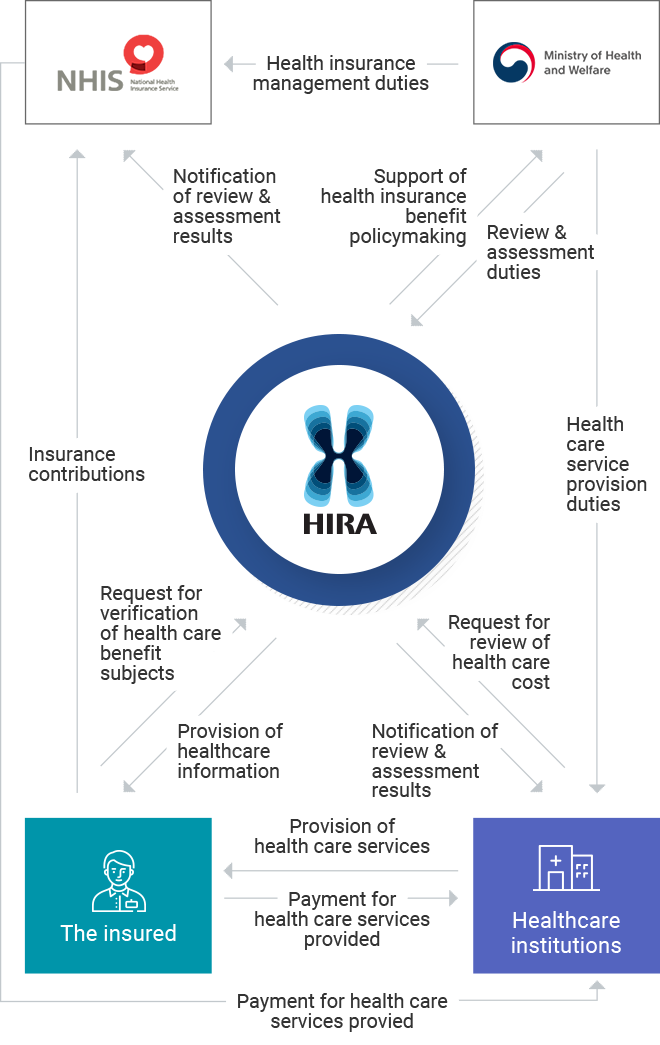
한국의 건강 보험 제도는 국민 건강 보험(National Health Insurance, NHI)을 통해 국민 모두에게 필수적인 의료 서비스를 제공합니다. 이 제도는 모든 시민이 건강 검진을 받을 수 있도록 하며, 다양한 치료를 위한 경제적 부담을 덜어주는 데 초점을 맞추고 있습니다. 이를 통해 가입자는 의료 서비스를 보다 쉽게 이용할 수 있으며, 기본적인 의료 필요를 충족할 수 있는 안전망이 구축되어 있습니다.
한국의 의료 접근성은 높은 편이며, 전국에 분포한 다양한 의료 기관 덕분에 병원, 클리닉 등에서 신속하게 치료를 받을 수 있습니다. 또한, 긴 대기 시간 문제를 해결하기 위해 정부는 여러 가지 조치를 취하고 있으며, 정보 기술을 활용한 비대면 진료 서비스도 확산되고 있습니다. 이러한 기술적 발전은 특히 외부 지역에 거주하는 시민들에게 높은 접근성을 제공합니다.
의료 서비스의 질 또한 지속적으로 향상되고 있습니다. 정부는 의료 기관에 대한 규제를 통해 보다 나은 서비스를 제공하도록 유도하고 있으며, 의료인력의 교육 및 훈련을 강화하고 있습니다. 환자 안전과 치료의 질을 높이는 것이 가장 중요한 목표로 자리잡고 있습니다. 이러한 노력은 한국 의료 시스템의 국제적 신뢰도를 높이고, 외국인 환자 유치에도 긍정적인 영향을 미치고 있습니다.
다음 표를 통해 주요 건강 보험 혜택을 비교해보겠습니다.
이러한 성과들은 한국의 국민 건강 보험이 단순한 의료 보험을 넘어, 국민의 건강을 지키는 사회적 안전망으로 기능하고 있음을 반영합니다. 각종 정책과 서비스 개선을 통해 한국의 의료 시스템은 앞으로도 더욱 진화해 갈 것입니다.
Family Support Policies: Childcare and Parenting Assistance
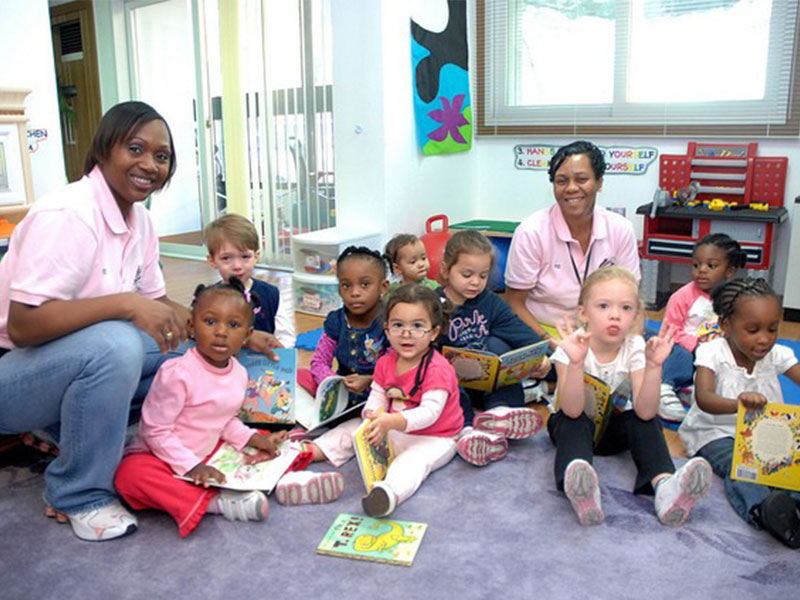
Family-oriented welfare policies in Korea play a crucial role in enhancing family well-being, reflecting a societal commitment to supporting parents and children. One of the pivotal aspects of these policies is the childcare services provided to families. The Korean government has implemented various programs aimed at ensuring accessible and quality childcare, allowing parents to balance work and family life effectively.
In addition to childcare services, Korea offers parental leave policies that empower parents to take time off from work to care for their newborns. This includes maternity leave and paternity leave, enabling both mothers and fathers to be actively involved in their child’s early stages of development. This support not only fosters a nurturing environment for children but also promotes a more equitable distribution of caregiving responsibilities between parents.
Financial support for families with children is another integral component of the welfare system. Families may receive direct cash benefits, subsidies for childcare costs, and various tax reductions, which collectively alleviate the financial burden associated with raising children. This financial support is especially vital in a rapidly urbanizing society where the cost of living can be high, making it crucial for families to have adequate resources.
The importance of these policies extends beyond mere economic benefits; they contribute significantly to promoting a healthier family dynamic. By facilitating parental involvement, providing quality childcare, and offering financial relief, these policies help create an environment where children can thrive, ultimately leading to healthier and more balanced families.
To illustrate the impact of these family support policies, refer to the following table outlining key benefits and features of Korea’s childcare and parental leave programs:
The ongoing evolution of these family support policies reflects Korea’s recognition of the critical role that stable and healthy family environments play in society. By continuing to invest in these areas, Korea aims to foster a culture that values family well-being, ultimately contributing to a more prosperous future for all citizens.
Support for the Elderly: Ensuring Dignity and Care
은퇴 후의 삶을 즐기는 것은 노인들에게 важ한 권리이며, 한국에서는 이를 위해 다양한 지원 서비스와 정책이 마련되어 있습니다. 한국의 노인 복지 시스템은 연금 제도, 의료 서비스, 그리고 지역 사회 지원 프로그램을 포함하여 노인의 존엄성과 삶의 질을 보장하는 데 초점을 맞추고 있습니다.
첫째로, 노인을 위한 연금 제도는 기본적인 생활비를 지원합니다. 한국에서는 국민연금 제도가 있으며, 이는 고용 상태에 관계 없이 모든 시민이 일정 기간 동안 납입한 금액에 따라 지급됩니다. 이 외에도 기초연금 제도를 통해 소득이 낮은 노인에게 추가적인 재정적 지원을 제공하여, 기본적인 생활 수준을 유지할 수 있도록 돕고 있습니다.
둘째로, 의료 서비스는 노인들에게 중요한 복지 요소 중 하나입니다. 한국의 의료 시스템은 노인을 위한 특별한 의료 서비스를 제공하고 있으며, 노인의료보험이 이를 지원합니다. 이는 정기적인 건강검진, 예방접종, 그리고 만성질환 관리 등을 포함하여 노인이 건강한 삶을 유지할 수 있도록 돕습니다.
마지막으로, 지역 사회 지원 프로그램은 노인들이 사회적 고립을 피하고, 활기찬 노후 생활을 보낼 수 있도록 돕습니다. 다양한 지역 사회 센터에서는 노인들을 위한 교육, 문화 프로그램 및 여가 활동 등이 기획되어 있으며, 이를 통해 노인들이 서로 교류하고 소통할 수 있는 기회를 제공합니다.
다음 표를 통해 한국의 노인 지원 정책을 한눈에 살펴보겠습니다.

이러한 다양한 지원 시스템은 한국 노인들이 존엄성과 자존감을 유지할 수 있도록 도와주고 있으며, 건강하고 안정된 노후 생활을 영위할 수 있는 기반이 됩니다. 앞으로도 증가하는 노인 인구에 대응하기 위해 지속적인 정책 개선과 혁신이 필요할 것입니다.
Future of Welfare Services in Korea: Challenges and Innovations
현재 한국의 복지 서비스는 여러가지 도전과제에 직면해 있습니다. 우선, 인구 고령화와 저출산 문제는 복지 재정의 지속 가능성에 큰 영향을 미치고 있습니다. 이러한 인구 변화는 사회적 지원이 필요한 인구를 증가시키고, 복지 시스템에 대한 부담을 가중시키고 있습니다. 정부는 이에 대응하기 위해 다양한 정책을 마련하고 있지만, 효과적인 실행은 여전히 과제가 남아 있습니다.
또한, 복지 서비스의 품질 향상과 접근성 문제 역시 중요한 이슈입니다. 특히, 농촌 지역이나 저소득층은 필요한 지원을 적시에 받기 어려운 경우가 많습니다. 이를 해결하기 위해 지역 사회와의 협력을 강화하고, 정보 통신 기술을 활용한 맞춤형 서비스 제공이 필요합니다.
한편, 혁신적인 접근 방식도 채택되고 있습니다. 예를 들어, AI 기반의 상담 서비스나 디지털 플랫폼을 통한 정보 제공은 효율성을 높이는데 기여하고 있습니다. 구체적인 사례로는 비대면 서비스와 모바일 앱을 통해 복지 정보를 손쉽게 접근할 수 있도록 최적화하는 움직임이 있습니다.
이와 같은 혁신은 복지 서비스의 경계를 허물고 사용자 중심으로 변화시키는 데 중요한 역할을 하고 있습니다. 더불어 사회적 기업의 참여도 활발해져, 민관 협력에 의한 복지 서비스의 질과 범위가 확대되고 있습니다. 이러한 변화들은 향후 복지 서비스가 보다 지속 가능하고 포용적인 방향으로 나아가는 데 기여할 것으로 기대됩니다.

위와 같은 혁신들은 복지 서비스의 효율성과 접근성을 높이며, 앞으로의 변화에 효과적으로 대응할 수 있는 기반이 될 것입니다.
The exploration of Korea’s welfare services reveals a robust framework designed to support citizens in various aspects of life. As policies adapt to changing demographics and challenges, continuous improvement and innovation will be key to meeting the diverse needs of the population.
Korean Welfare System Overview
Benefits of Social Welfare in Korea
Challenges in Korean Welfare Services
Korea,Welfare Services,Support Policies,Healthcare Benefits,Family Support,Elderly Care,Economic Stability,
답글 남기기