목차
- Understanding Welfare Policies: A Historical Overview
- Key Welfare Services Offered: An In-Depth Analysis
- Accessing Welfare Benefits: Step-by-Step Guide
- Impact of Welfare Policies on Society
- Future Directions of Korea’s Welfare System
- Success Stories: Real-Life Examples of Welfare Support
In this article, we will delve into the various welfare policies and support services available in Korea. By examining the purpose, benefits, and mechanisms of these systems, readers will gain insights into how they can access these essential resources for assistance in daily life.
Understanding Welfare Policies: A Historical Overview
The historical development of welfare policies in Korea is a fascinating journey that reflects the country’s social and economic evolution over the decades. The roots of Korea’s welfare policies can be traced back to the aftermath of the Korean War in the early 1950s. The war left the nation in devastation, which prompted initial efforts in social security aimed primarily at economic recovery and basic needs.
In the 1960s and 1970s, during Korea’s rapid industrialization, the government began to recognize the importance of social safety nets. Key legislation, such as the National Health Insurance Act in 1977, marked a significant step towards providing health coverage for workers. This period also saw the introduction of various labor laws designed to protect workers in the burgeoning industrial sector.
The 1980s and 1990s brought further transformations. The democratization movement of the late 1980s led to increased public demand for social services, resulting in expansions in welfare programs. The Social Welfare Act of 1991 reinforced the government’s commitment to supporting vulnerable populations, and by this time, various programs targeting the elderly, low-income families, and the disabled were established.
The 1997 Asian Financial Crisis highlighted the gaps in the social safety net, prompting reforms to strengthen welfare programs. This included the introduction of the National Basic Livelihood Security Act in 2000, which aimed to provide a safety net for the poorest citizens.
In recent years, Korea has continued to adapt its welfare policies to meet changing demographics and social needs, including the challenges posed by an aging population. Notable changes include the expansion of healthcare services and the introduction of the long-term care insurance system in 2008.
The evolution of Korea’s welfare policies illustrates a growing recognition of the state’s role in ensuring social security and improving the quality of life for its citizens. This historical overview highlights how legislation and government initiatives have adapted in response to both economic challenges and societal needs over the decades.

Key Welfare Services Offered: An In-Depth Analysis
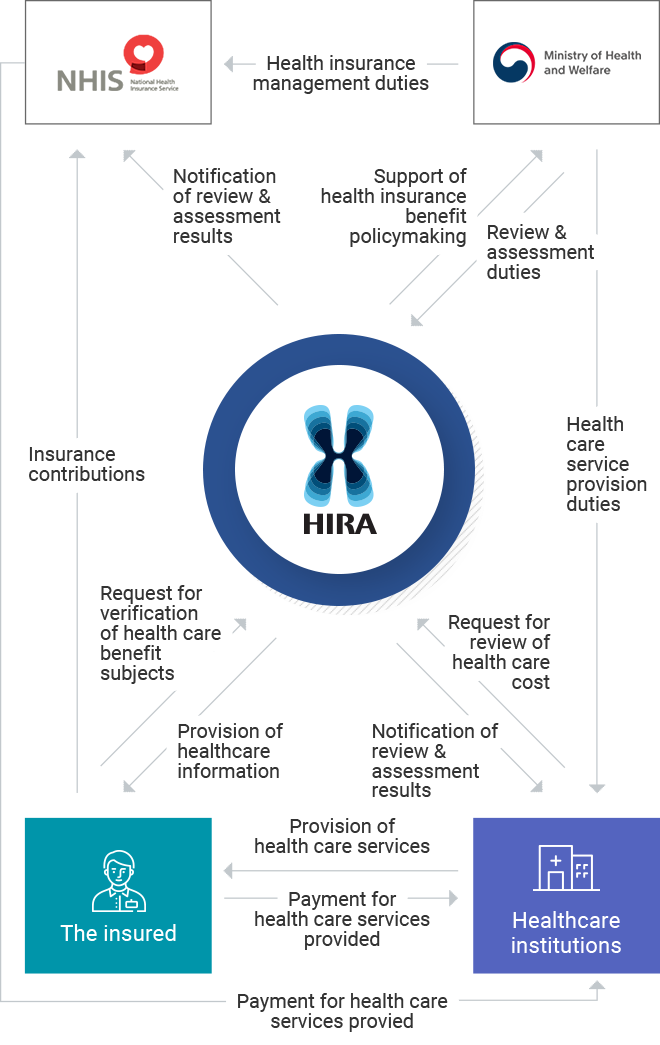
Korea’s welfare services encompass a variety of critical support systems, aimed at ensuring the social security and health of its citizens. One of the main pillars is the healthcare system, which provides universal coverage to all citizens. This means that medical expenses are largely covered, with government support ensuring affordability. Individuals need to register for the National Health Insurance to access these benefits, which is typically done through their employers or local health centers.
Unemployment benefits are also a key component of the welfare system. These benefits are provided to individuals who lose their jobs involuntarily, helping them to secure financial stability while they seek new employment. To be eligible, individuals must have contributed to the Employment Insurance system for a certain period and must register as job seekers. The application process generally requires individuals to submit their employment history and proof of job loss.
Social security programs, including pensions and disability support, play a vital role in providing financial assistance to those who qualify. Eligibility for these programs varies; for instance, pension schemes often require a minimum contribution period. Applications can be submitted through local government offices or online portals, requiring documentation such as identity verification and proof of residency.
These services are fundamental for maintaining the well-being of individuals and families, offering a safety net in times of economic hardship or health crises. Their accessibility reflects the government’s commitment to uphold social justice and support for all. For a clearer understanding of these welfare services, the following table illustrates key benefits and their eligibility requirements:
| Welfare Service |
Eligibility Criteria |
| Healthcare |
All citizens with National Health Insurance registration. |
| Unemployment Benefits |
Must have contributed to Employment Insurance and be involuntarily unemployed. |
| Social Security |
Varies by program, generally requires proof of contribution and residency. |
As citizens navigate their rights to these services, understanding the eligibility criteria and application process becomes crucial. This knowledge empowers them to effectively utilize the support available within Korea’s welfare system.
Accessing Welfare Benefits: Step-by-Step Guide
Individuals seeking to access welfare benefits in Korea can follow a structured process that involves several important steps. Understanding this process is crucial for ensuring a smooth application experience.
Firstly, it’s vital to identify the specific welfare benefit being applied for. The main categories include healthcare, unemployment benefits, housing assistance, and elderly support. Each category may have slight variations in the application process.
To apply, follow these steps:
1. **Gather Required Documents**: To initiate the application, gather necessary documentation. This may include proof of residency, income statements, identification documents (like a resident registration card), and any specific forms related to the benefit.
2. **Visit the Relevant Agency**: Applications can typically be made at local government offices or specialized welfare centers. It’s advisable to check which agency specifically handles the benefit you’re applying for.
3. **Complete the Application**: Fill out the application form thoroughly. Ensure all provided information is accurate to help avoid delays. Most agencies offer support sessions for first-time applicants to assist with this step.
4. **Submit the Application**: After completion, submit the application along with all gathered documents. Keep a copy of everything submitted for your records.
5. **Follow Up**: After submission, it’s important to follow up on the application status. Some benefits may have an online tracking system, or you can directly contact the office.
6. **Be Aware of Appeals**: If your application is denied, you can often appeal the decision. Ensure to understand the appeals process and gather any further evidence needed to support your case.
Common pitfalls include failing to submit all required documents, providing incorrect information, or missing deadlines. Additionally, applicants should be wary of scams and only rely on official channels for assistance.
The table below summarizes the key steps and required documents:
| Step |
Required Documents |
| Gather Documents |
Proof of residency, income statements, identification documents |
| Visit Agency |
Local government office or welfare center |
| Complete Application |
Application form |
| Submit Application |
All gathered documents |
| Follow Up |
Application status check |
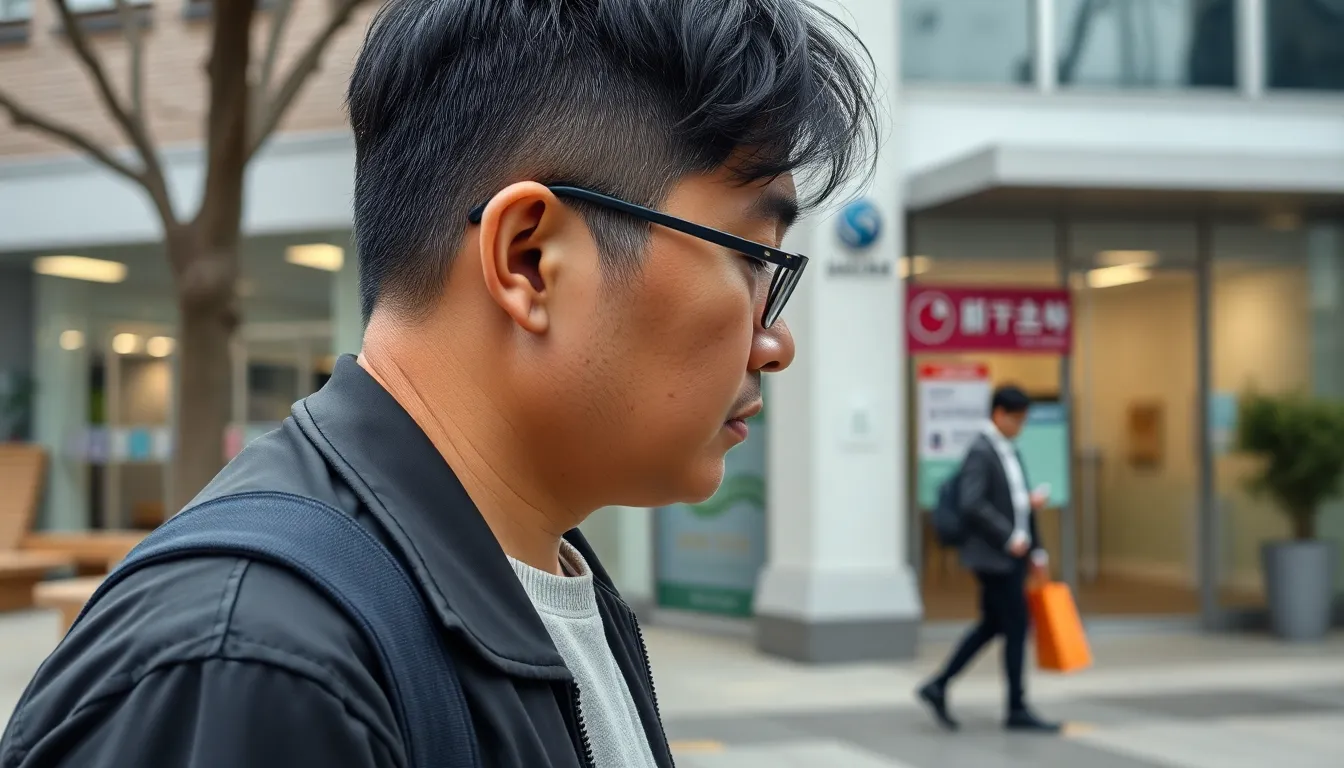
To visually support this information, here is an illustrative image of the welfare process in Korea:

By following these steps and being mindful of the common pitfalls, individuals can navigate the welfare benefits application process more effectively, ensuring they receive the support they need.
Impact of Welfare Policies on Society
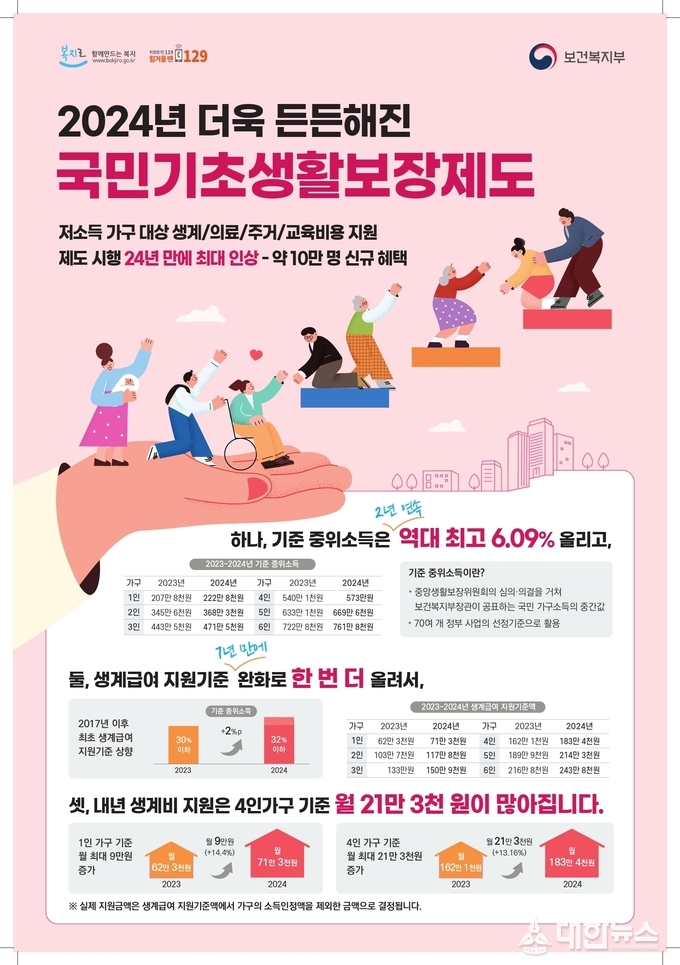
The implementation of welfare policies in Korea has led to significant socio-economic changes that have positively impacted the quality of life for many citizens. One of the most notable outcomes is the substantial reduction in poverty levels. Through targeted programs such as the Basic Livelihood Security Program and various financial assistance initiatives, the government has been able to provide support to low-income families, helping them meet their basic needs.
As a result of these policies, we have witnessed an improvement in overall living standards. Access to healthcare, education, and housing has improved, particularly for marginalized groups. The introduction of universal healthcare has also played a crucial role in enhancing public health outcomes, reducing the financial burden on families and ensuring that healthcare is accessible to all citizens.
Moreover, welfare programs have contributed to significant social changes within Korean society. As more individuals and families receive support, the stigma associated with poverty has begun to diminish. Educational support programs have empowered many young people, leading to increased participation in higher education and better job prospects. This shift not only boosts individual potential but also contributes to a more skilled and productive workforce, fostering economic growth.
To illustrate the impact of these welfare policies, the following table summarizes key indicators of social improvement post-implementation:
| Indicator |
Pre-Policy Implementation |
Post-Policy Implementation |
| Poverty Rate (%) |
15.2 |
9.8 |
| Access to Healthcare (%) |
80 |
98 |
| Higher Education Enrollment (%) |
45 |
70 |
The evidence clearly shows that welfare policies have not only alleviated immediate economic hardships but have also paved the way for long-term societal benefits. These changes reflect a broader commitment to fostering an inclusive society where every citizen has the opportunity to thrive. As Korea continues to evolve, these policies will play a crucial role in shaping a future where economic disparity is minimized and collective well-being is prioritized.
Future Directions of Korea’s Welfare System
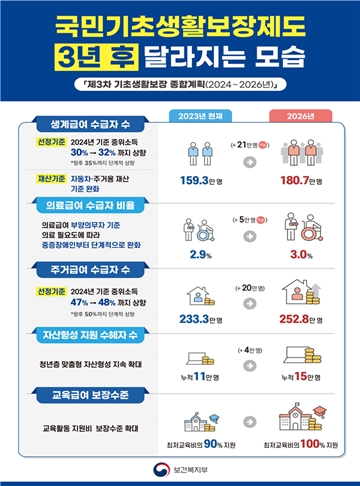
Korea’s welfare system is at a critical juncture, shaped by demographic trends and socioeconomic shifts. A significant factor driving the future of welfare policies is the aging population. By 2025, Koreans aged 65 and older are expected to comprise a much larger share of the population, which will result in increased demand for healthcare, pensions, and social services. To address this, the government is working on various reforms aimed at fortifying the welfare framework.
One notable initiative includes enhancing the National Pension Service to ensure its sustainability amid rising retirement claims. This may involve adjustments in contribution rates and benefits to better support the elderly while encouraging higher workforce participation among younger populations. Moreover, improvements in healthcare services, particularly for geriatric care, are being prioritized, with plans to expand home and community-based care options while reducing reliance on institutional settings.
In tandem with these measures, there’s also a growing focus on integrating technology into welfare services. This encompasses the development of smart health monitoring systems and digital platforms that enhance access to services, making them more efficient for both users and providers. Such innovations could play a crucial role in managing the resource strains posed by aging demographics.
The government is also placing emphasis on family support policies that aid caregivers of the elderly, recognizing the essential role families play in the welfare system. Financial support and training programs are planned to better equip these caregivers, thus improving the overall quality of care.
Furthermore, there is consideration for the needs of a more diverse population, including immigrants and lower-income families, ensuring more equitable access to welfare resources.
As we move forward, these reforms signal Korea’s commitment to creating a robust welfare system that adapts to the changing social landscape, ultimately promoting a better quality of life for all citizens.

Success Stories: Real-Life Examples of Welfare Support
Korea’s welfare policies and support services have profoundly impacted the lives of many individuals and families. Here are some inspiring success stories that highlight how these services have made a difference.
One notable example is that of a single mother who was struggling to make ends meet after losing her job. Through the government’s employment support programs, she received job training and financial assistance. With newfound skills, she secured stable employment in a local community center, allowing her to provide for her children and regain her confidence. This program not only helped her financially but also assisted her in rebuilding her life and becoming a mentor to other women in similar situations.
Another success story is of an elderly couple living on a fixed income. They were able to access home care services provided through the welfare program, which allowed them to receive medical attention and assistance with daily tasks. This support enhanced their quality of life, enabling them to remain in their home while receiving the care they needed. The couple expressed their gratitude for the dignity and independence the service afforded them.
Additionally, many young families have benefited from childcare subsidies, which have allowed parents to return to work without the worry of high childcare costs. One couple described how the support enabled them to pursue their career goals while ensuring their children received quality care and education.
These stories illustrate the significant impact that Korea’s welfare policies can have, instilling hope and inspiration in those who may be facing daunting challenges. Such programs not only provide immediate assistance but also foster resilience and a sense of community among beneficiaries, demonstrating the power of comprehensive welfare systems.

| Success Area |
Impact |
| Employment Support |
Single mother regains confidence and secures stable job. |
| Home Care Services |
Elderly couple maintains independence and quality of life. |
| Childcare Subsidies |
Young families achieve work-life balance. |
Through these stories and the support services available, it’s evident that Korea’s welfare system plays a critical role in transforming lives and fostering a sense of community among its citizens.
In conclusion, Korea’s welfare policies and support services play a crucial role in enhancing the quality of life for its citizens. With a commitment to continuous improvement and adaptation, these systems will remain essential in addressing the evolving needs of the population.
보건복지부 사회서비스 정책
2025년 복지 제도 총정리
2025년 사회복지정책 핵심정리
Korea,Welfare Policies,Social Services,Support Programs,Public Health,Community Assistance,Government Aid,

(0).jpg)